The Thrill of Uncertainty
At the heart of gambling lies a deep-seated fascination with uncertainty. The unpredictability of outcomes can invoke a rush of adrenaline that many individuals find exhilarating. This thrill stems from the potential for rapid rewards; the possibility of winning big from a single bet creates a near-instantaneous source of excitement. Many enthusiasts enjoy platforms like rtp mega888 for their variety of games that contribute to the allure of not knowing what will happen next, allowing players to feel a heightened sense of anticipation.
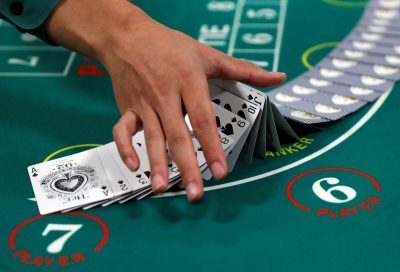
Moreover, this thrill is not limited to the act of gambling itself. The atmosphere of a casino—vibrant, loud, and full of energy—further intensifies the excitement. Players find themselves surrounded by others who share the same hopes and dreams of hitting the jackpot. This environment fosters a sense of camaraderie and competition, enhancing the individual’s emotional response to the gamble. It’s this unique blend of social engagement and personal risk that perpetuates the allure of gambling.
Additionally, for some, the thrill of uncertainty may serve as an escape from mundane daily routines. Engaging in gambling allows individuals to momentarily step away from their responsibilities and immerse themselves in a world where anything is possible. This escapism can be particularly appealing during tough personal times, making the casino a refuge where dreams of fortune can blossom, even if just for a fleeting moment.
The Quest for Wealth
The prospect of financial gain is arguably one of the strongest motivators for many gamblers. The potential to win large sums of money—often with relatively small initial investments—captures the imagination of countless players. This draw towards wealth can transform even the most casual of players into enthusiastic participants as they dream of changing their lives overnight. Stories of jackpot winners fuel this desire, making gambling seem like an attainable shortcut to financial freedom.
However, it’s crucial to recognize that while the possibility of winning exists, the odds are statistically often against players. Many people fail to acknowledge this reality, becoming entranced by the allure of potential riches. This can lead to prolonged gambling sessions, as individuals chase losses or become overly optimistic about their chances. The psychological impact of perceived “near-wins” can also contribute to this cycle; it can create a false sense of hope and reward, drawing individuals back into the game despite the risks involved.
The quest for wealth in gambling often intersects with the personal identity of the individual. For some, stakes are not just financial but deeply tied to self-esteem and social status. Winning can result in a significant boost to one’s self-worth, while losing may lead to feelings of shame or failure. This connection between money and identity complicates the gambling experience, making it a multifaceted phenomenon that transcends mere entertainment.
The Social Aspect of Gambling
Gambling is often perceived as a solitary activity, but it is inherently social. Casinos are bustling environments filled with laughter, excitement, and shared emotions. Friendships are often formed around poker tables, and conversations blossom in the midst of risk-taking. This social engagement makes the gambling experience more enjoyable and memorable, as players share victories and losses with others, creating bonds built on shared experiences.
Group gambling experiences, such as trips to casinos with friends or participating in poker nights, enhance the social dimension of gambling. The communal aspect helps mitigate the loneliness that can accompany gambling, as players draw support and encouragement from their peers. These social interactions can also influence gambling behavior, as individuals may feel emboldened to take risks they might not consider on their own when surrounded by friends.
Furthermore, social networks may also play a pivotal role in perpetuating gambling habits. With platforms for betting expanding online, individuals can connect with peers worldwide, participating in games that foster a sense of community. This blend of technology and social interaction ensures that gambling remains deeply integrated into modern social culture, encouraging participation and fostering relationships through shared interests.
The Psychological Triggers
The psychology of gambling involves various factors that motivate individuals to engage in these activities despite the risks. One significant factor is the brain’s reward system, which responds positively to wins and near-wins. These events release dopamine, a chemical associated with pleasure and reward, reinforcing the behavior. As players experience this rush, their brains can begin to associate gambling with happiness, potentially leading to addictive behaviors.
Additionally, cognitive biases, such as the illusion of control, contribute to gambling habits. Gamblers often believe they can influence outcomes through their actions or strategies, despite the randomness of most games. This belief can lead to overconfidence, prompting individuals to bet larger amounts or engage more frequently in hopes of securing a win. Such psychological triggers can make it challenging for individuals to recognize when their gambling becomes problematic.
Understanding the psychological mechanisms behind gambling is crucial for addressing issues related to addiction and responsible play. Many gambling establishments and online platforms have begun to incorporate responsible gambling features and resources for those struggling with their habits. Recognizing the psychological allure can help players maintain a balanced relationship with gambling, allowing them to enjoy the excitement without succumbing to its darker consequences.
Exploring More About Casinos
As the understanding of why people gamble deepens, it’s essential to explore the various environments where this activity unfolds. Casinos have evolved significantly over the years, transforming from mere gambling halls to entertainment complexes that offer a variety of experiences, such as dining, shows, and nightlife. This diversification appeals to a broader audience, attracting not only dedicated gamblers but also casual visitors seeking a fun night out.
Moreover, the digital transformation has led to online casinos that provide similar experiences from the comfort of home. Players enjoy the convenience of accessing numerous games while interacting with live dealers and other players. This shift has redefined the gambling landscape, making it essential for individuals to find a balance between digital and in-person experiences.
Ultimately, understanding the allure of casinos requires a look at the various factors that attract individuals. As gambling continues to evolve, it reflects broader societal trends and personal desires, making it a fascinating subject worthy of exploration. Whether it’s the thrill of uncertainty, the chase for wealth, social engagement, or psychological triggers, the reasons behind gambling remain complex and multifaceted, ensuring that casinos will continue to captivate audiences for years to come.